Learn essential tips for maintaining flower freshness
Posted on 24/06/2025
There's nothing quite as beautiful and captivating as a bouquet of fresh flowers. Whether it's an elaborate floral arrangement for a wedding, a handpicked bunch from your garden, or just a thoughtful gift, the joy they bring can be fleeting if not cared for properly. Luckily, maintaining flower freshness is easy with the right techniques. This comprehensive guide provides you with expert advice and actionable tips to keep your blooms vibrant and looking their best for as long as possible.
Why Is Flower Freshness So Important?
Flowers have always been a symbol of beauty, celebration, and affection. Keeping flowers fresh is not only about preserving aesthetics but also about extending their life and maximizing your enjoyment. Whether displayed in homes, offices, or weddings, the fresh look and scent of flowers create irresistible charm. Learning essential flower freshness tips ensures your arrangements stand out and last longer.

Understanding What Causes Flowers to Wilt
Before diving into maintenance tips, it's vital to understand what triggers premature wilting:
- Lack of water - Flowers are extremely sensitive to dehydration.
- Temperature changes - Extreme heat or cold can rapidly age blooms.
- Exposure to direct sunlight - Harsh rays can dry out petals and leaves.
- Accumulation of bacteria in water, which can clog stems and block hydration.
- Ethylene gas released from ripening fruits and vegetables nearby.
By addressing these factors, you can apply the most pertinent fresh flower maintenance tips to extend their beauty.
Top Tips to Preserve Flower Freshness
1. Start with Fresh Flowers
The longevity of your arrangement depends greatly on how fresh it is when you acquire it. Whenever possible, choose flowers with:
- Firm, upright stems
- Unblemished leaves
- Tightly closed or partially open buds (except for flowers like daisies, which bloom fully)
- No signs of wilting or browning
Choosing the freshest flower stems right from the start sets the stage for longer-lasting results.
2. Recut Stems Immediately
Upon receiving or buying flowers, cut the stems at a 45-degree angle (using clean, sharp scissors or a knife). This helps to:
- Increase surface area for water absorption
- Prevent the stem from sitting flat on the vase bottom, which could block water intake
Always cut stems under running water or submerged in a bowl to avoid air entering and blocking the channels that transport water to the flower head.
3. Remove Foliage Below Water Line
Leaves submerged in water lead to rapid bacterial growth, which clogs stems and causes wilting.
- Strip off any leaves that will sit below the water line in the vase.
- Check daily for fallen leaves and petals in the water and remove them promptly.
This is an underrated flower freshness tip that can dramatically impact the arrangement's lifespan.
4. Clean Vases Matter
Bacteria thrive in dirty vases. Always wash vases with hot, soapy water and rinse thoroughly before use. Consider sanitizing with a diluted bleach solution for optimal flower vase maintenance.
5. Use Fresh Water and Change It Regularly
Water is crucial for maintaining flower freshness. Change the vase water every 1-2 days, rinsing the vase and recutting stems each time. Fresh water minimizes bacterial build-up and keeps blooms lush.
6. Flower Food: Use It Wisely
Commercial flower food contains a mix of nutrients, acidifiers, and antibacterial agents. If your bouquet comes with a packet, use it according to directions. If not, try homemade alternatives:
- 1 teaspoon of sugar (for food)
- 2 teaspoons lemon or lime juice (to acidify)
- Few drops of bleach (to combat bacteria)
Avoid using too much bleach as it can harm stems.
7. Maintain the Right Temperature
Flowers last longest in cool conditions (ideally 18-22?C / 65-72?F). Avoid:
- Placing bouquets near heaters, radiators, or stoves
- Direct sunlight and drafty locations
- Spots near fresh fruit, which emit ethylene gas
Cool overnight storage can give an excellent boost to flower longevity.
8. Strategic Arrangement Placement
Where you display your flowers can directly influence their longevity. Keep arrangements away from:
- Computers, televisions, and appliances that emit heat
- Windows with harsh afternoon sun
- Fruit bowls and vegetable baskets
For freshest flowers, choose a spot that's bright but indirectly lit and stays relatively cool.
9. Recut Stems Every Few Days
Even after initial trimming, it helps to snip 1-2 cm off flower stems every time you change the water. This removes any blockage caused by bacterial build-up, which is crucial for long-lasting flower freshness.
10. Remove Wilting Blooms Promptly
Spent petals and flowers release compounds that can accelerate aging in surrounding blooms. Regularly inspecting and removing fading or dead flowers ensures that the rest of your bouquet stays fresher, longer.
Special Tips for Different Flower Types
Each flower variety has its own quirks for optimal freshness. Below are a few essential tips for commonly gifted flowers:
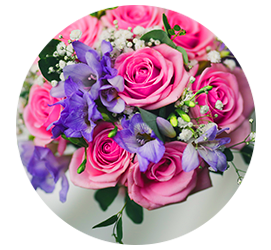
- Roses: Remove any guard petals; these thick outer petals protect the bloom in transport but should be gently peeled away to prevent browning. Recut stems frequently, and avoid crowding in the vase.
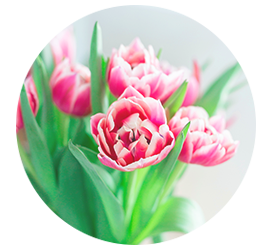
- Tulips: Preferably use cold water and store in cooler environments. Tulip stems continue to grow in the vase--trim regularly and support floppier stems with a tight vase.
- Lilies: Remove the pollen stamens as soon as the flower opens to avoid drops on petals, which causes staining and speeds up aging.
- Carnations: Their stems have nodes--cut above the nodes and avoid crushing the stems, which helps water absorption.
- Sunflowers: Thick stems can harbor lots of bacteria. Change water daily and use a stem cleaner if possible.
Refer to specific care instructions from your local florist to maximize freshness for unique flower varieties.
Common Myths About Maintaining Fresh Flowers
Myth 1: Aspirin keeps flowers fresh.
While some claim that dropping aspirin in the water helps, studies show it's largely ineffective. Stick to proper flower food and regular water changes.
Myth 2: Pennies preserve flowers.
Older copper pennies did have some antibacterial effect, but modern coins are largely zinc and not effective. Prioritize clean water and vases instead.
Myth 3: Soda in water helps.
A very small amount of clear soda can feed flowers, but dark sodas stain and promote bacteria.
Prolonging Flower Freshness: Advanced Tricks
- Refrigerate Overnight: Place arrangements in a cool fridge (not below 4?C/40?F) overnight to dramatically extend vase life.
- Mist Petals: Lightly mist the petals with fresh, clean water--especially useful for hydrating delicate blooms like orchids.
- Floral Preservative Sprays: Available at garden centers, these solutions can be gently sprayed over arrangements to slow down dehydration.
- Remove Excess Greenery for Dense Bouquets: Extra foliage competes for water; trimming non-essential greens can help blooms last longer.
What to Avoid for the Freshest Flowers
- Neglecting to change water or recut stems
- Placing arrangements in direct heat or sunlight
- Ignoring spent blooms and wilting petals
- Overcrowding vases, which limits air circulation
- Using dirty vases or water
Quick Checklist for Maintaining Flower Freshness
- Cut stems at a 45-degree angle with sharp tools
- Remove all leaves below the water line
- Change water and clean vases every one to two days
- Avoid exposing to heat, drafts, or ripening produce
- Use recommended flower food or homemade solutions
- Remove dead flowers and debris daily

Maintaining Flower Freshness for Special Occasions
Celebrations like weddings, anniversaries, or baby showers demand maximum flower freshness for picture-perfect moments. If you're prepping for a big event:
- Arrange flowers as close to the event start as possible
- Store arrangements in the coolest available area before display
- Transport vases carefully to avoid bruising stems or petals
- Provide a backup spray bottle for last-minute misting and touch-ups
Conclusion: Enjoy Fresh Flowers Longer
Learning essential tips for maintaining flower freshness transforms every bouquet into a lasting delight. By investing a bit of care and attention--recutting stems, refreshing water, and avoiding heat or bacteria--you can dramatically extend the life and loveliness of your blooms. Whether you're brightening your space, giving a gift, or celebrating a milestone, these comprehensive flower care strategies ensure that your arrangements stay vibrant, fragrant, and beautiful for as long as possible.
Enjoy your fresh flowers, nurture them with these proven tips, and let their natural beauty fill your world with color and joy!
Latest Posts
Five Most Beloved Flowers for Your Valentine
Tips for Longer Lasting Holiday Poinsettias
Transform Your Garden with Hydrangea Care
The Art of Peony Colors: A Journey Through Symbolic Meanings